
Our project · with Nemours
HELIX
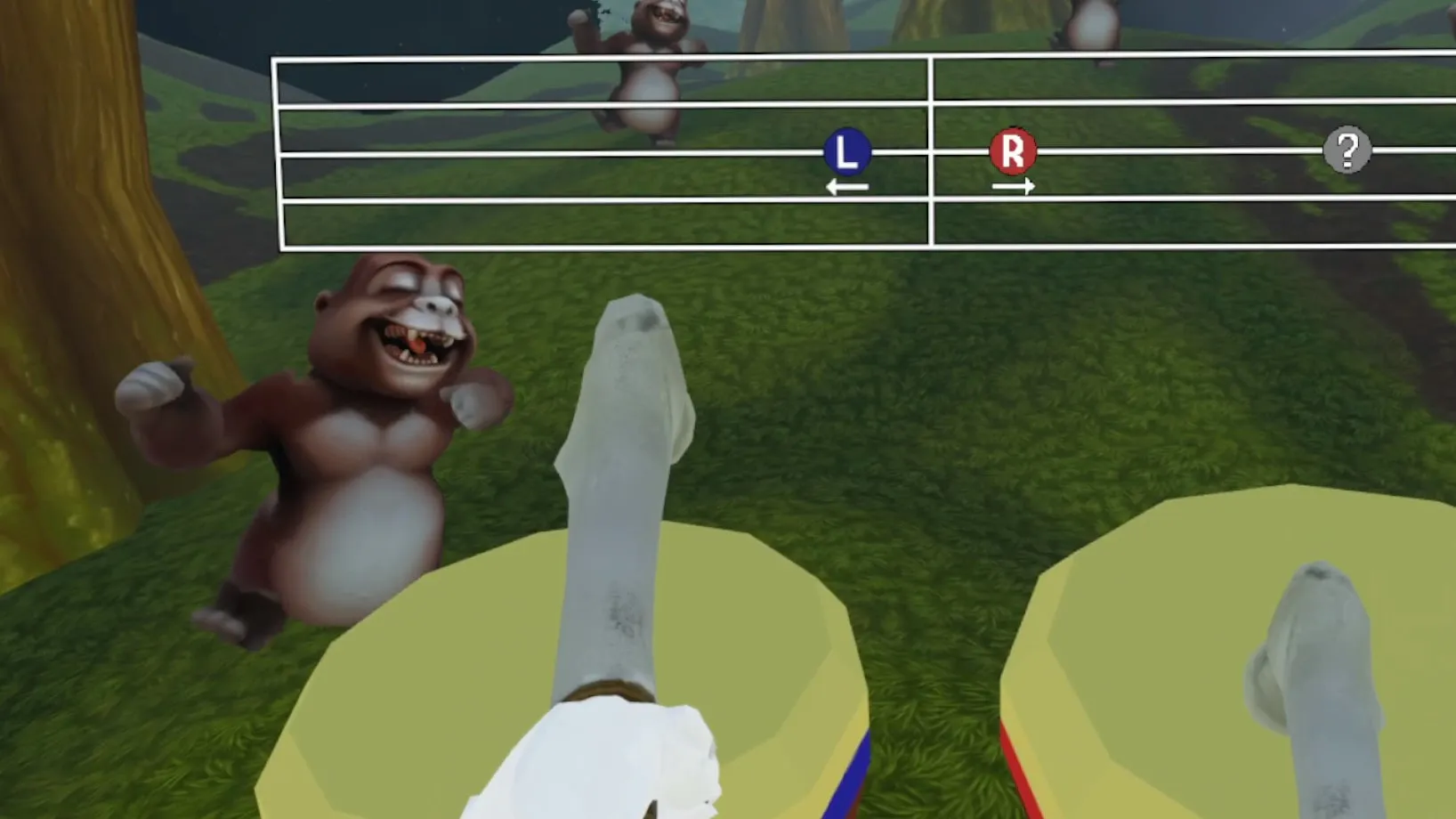
A VR hearing assessment on Meta Quest 2 with a HIPAA-compliant AWS backend and a provider dashboard. Pilot study with about 30 subjects in 2023.
Services
We build VR, AR, and mixed reality apps in Unity for Meta Quest, for health assessment, therapy, training, and play, along with the dashboards and data systems behind them.
Headset apps with a purpose, and the data systems behind them.
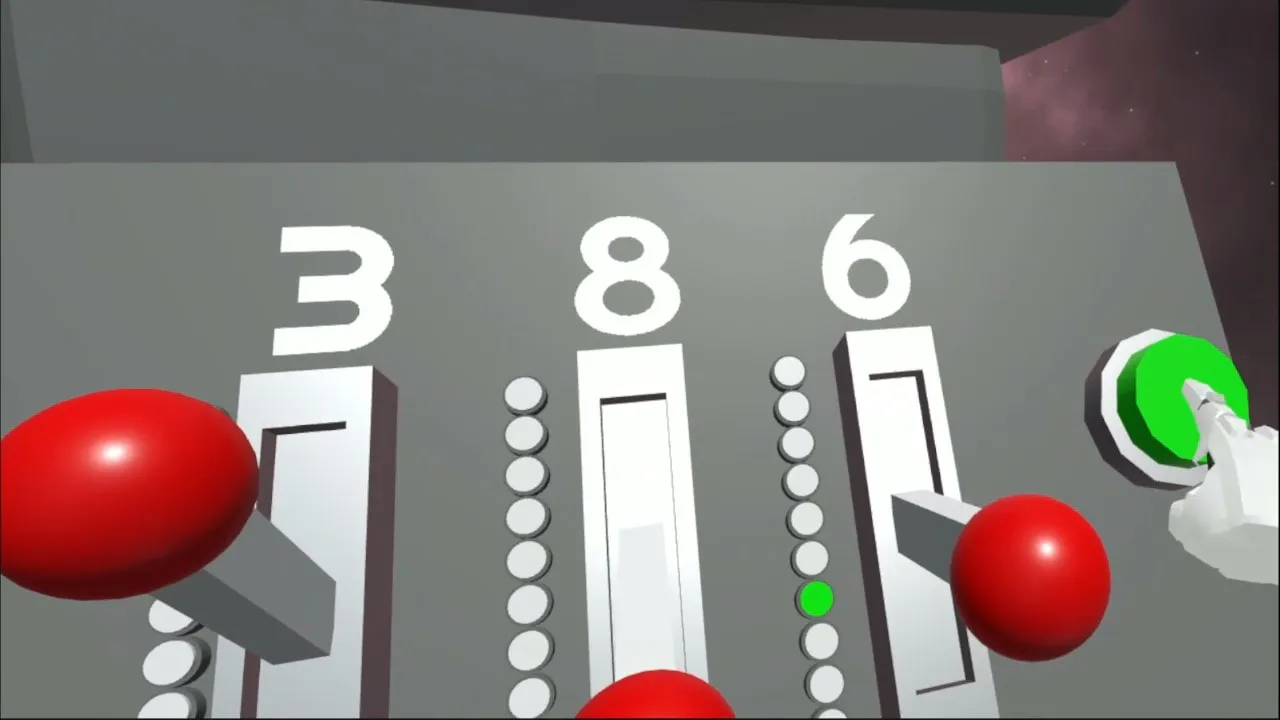
Hearing tests as VR games with real-time feedback for patients, as in HELIX.
Exercise games that guide patients with real-time feedback and track their movement.
VR soft-skills training with 360-degree video, composited actors, activity tracking, and analytics.
Stereolabs ZED depth cameras combined with Meta Quest 2 hardware.
Shader Graph materials for healthcare and pharmaceutical software.
Motion capture, electromyography, and other alternative controls.
Encrypted uploads from the headset to a backend, and a web dashboard for providers.
Fully interactive 3D simulations streamed over low-bandwidth networks with AWS and WebRTC.
Calibrated audio files for accurate test results, played in a 3D scene.
Traditional hearing tests can be boring and repetitive, which makes auditory processing disorder hard to assess accurately. HELIX turns three of those tests into VR games on Meta Quest 2: digits-in-noise, pure tone, and sound localization, with calibrated audio for accurate results. We built it in Unity with audiologists and Nemours Children's Hospital. It started with funding from the DBI CAT grant program, held successful youth group testing sessions, and completed a pilot study with about 30 subjects in 2023.
We have worked on headset software for other organizations too: VR soft-skills training for Asurion on Meta Quest 2, with 360-degree video, composited actors, activity tracking, and analytics; interactive mixed reality for Southern Methodist University that pairs Stereolabs ZED depth cameras with Meta Quest 2; and Apple Vision Pro Shader Graph materials in Unity software for Syneos Health.
HELIX encrypts its results and uploads them in real time to a database management system on HIPAA-compliant AWS services, and a web dashboard shows them to providers: accounts, assigned tests, calendars, and charts that track progress over time. We build both halves: see custom software and web app development for the backend side, and serious games for the health and education work.
Our project · with Nemours
A VR hearing assessment on Meta Quest 2 with a HIPAA-compliant AWS backend and a provider dashboard. Pilot study with about 30 subjects in 2023.
For Barron Associates
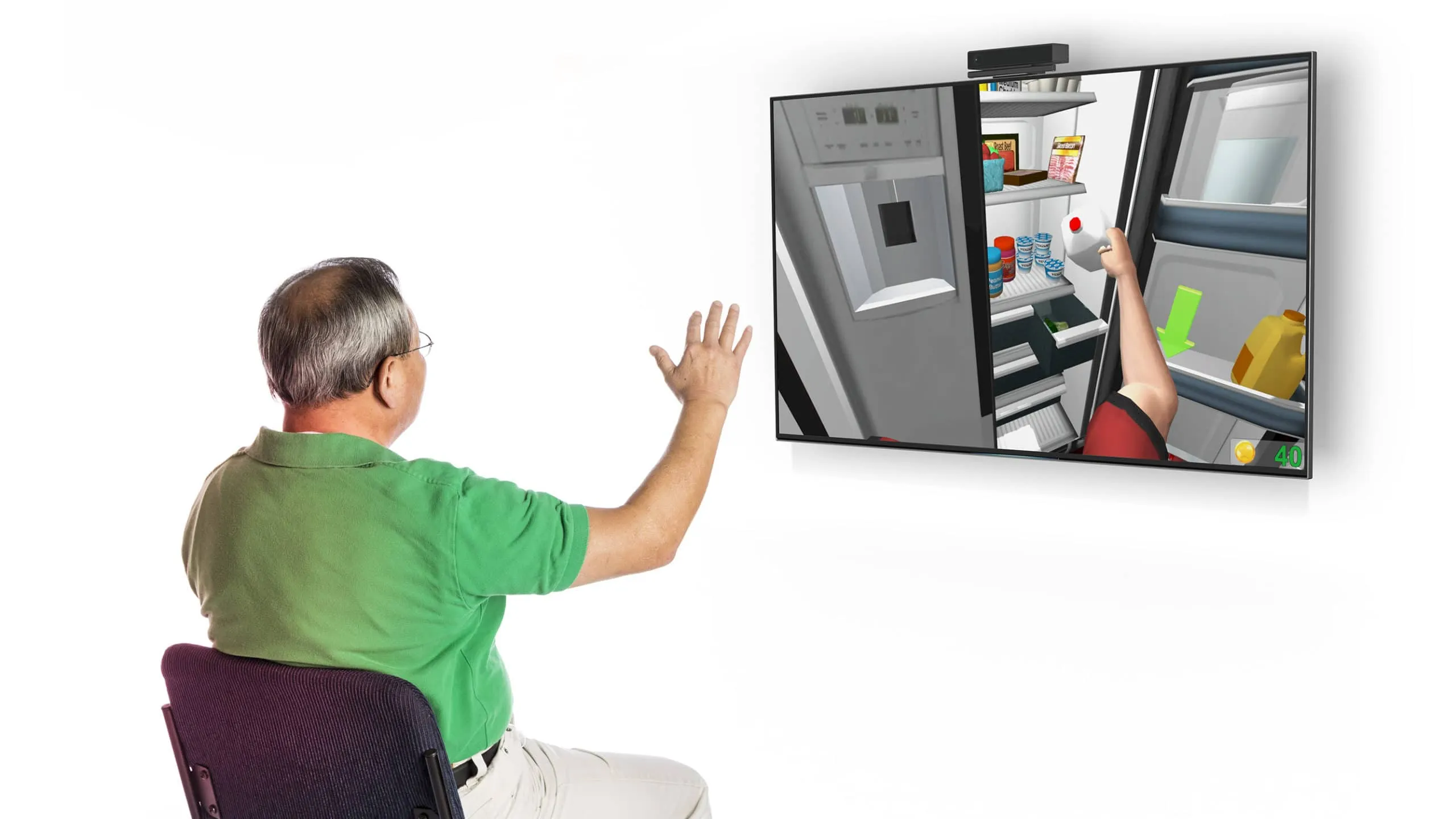
Upper-extremity rehabilitation for stroke survivors: Kinect tracks the arm while a virtual assistant guides self-care tasks.
For Asurion
VR soft-skills training on Meta Quest 2 with 360-degree video, composited actors, activity tracking, and analytics.
For Southern Methodist University
Interactive mixed reality that integrates Stereolabs ZED depth cameras with Meta Quest 2.
For Syneos Health
Apple Vision Pro Shader Graph materials, Figma-based interfaces, and Chinese localization.
A VR project moves through a prototype, a pilot with real users, and a release.
Email or use the contact form: what you want to build, who it is for, the platforms, your timeline, and a budget range if you have one.
We talk it through, ask the hard questions early, and agree on what the first milestone delivers.
A prototype you can try in the headset, because comfort, readability, and input feel are easiest to judge with it on.
The people who will use the app try it, and we change what they show us before release.
Release, store submission where it applies, then fixes and updates after launch.
For anything else, email support@lunawolfstudios.com or use the contact form.
VR and AR development
Tell us who will wear the headset, what they need to do in it, and where the data has to go.