
Our project · with Nemours
HELIX
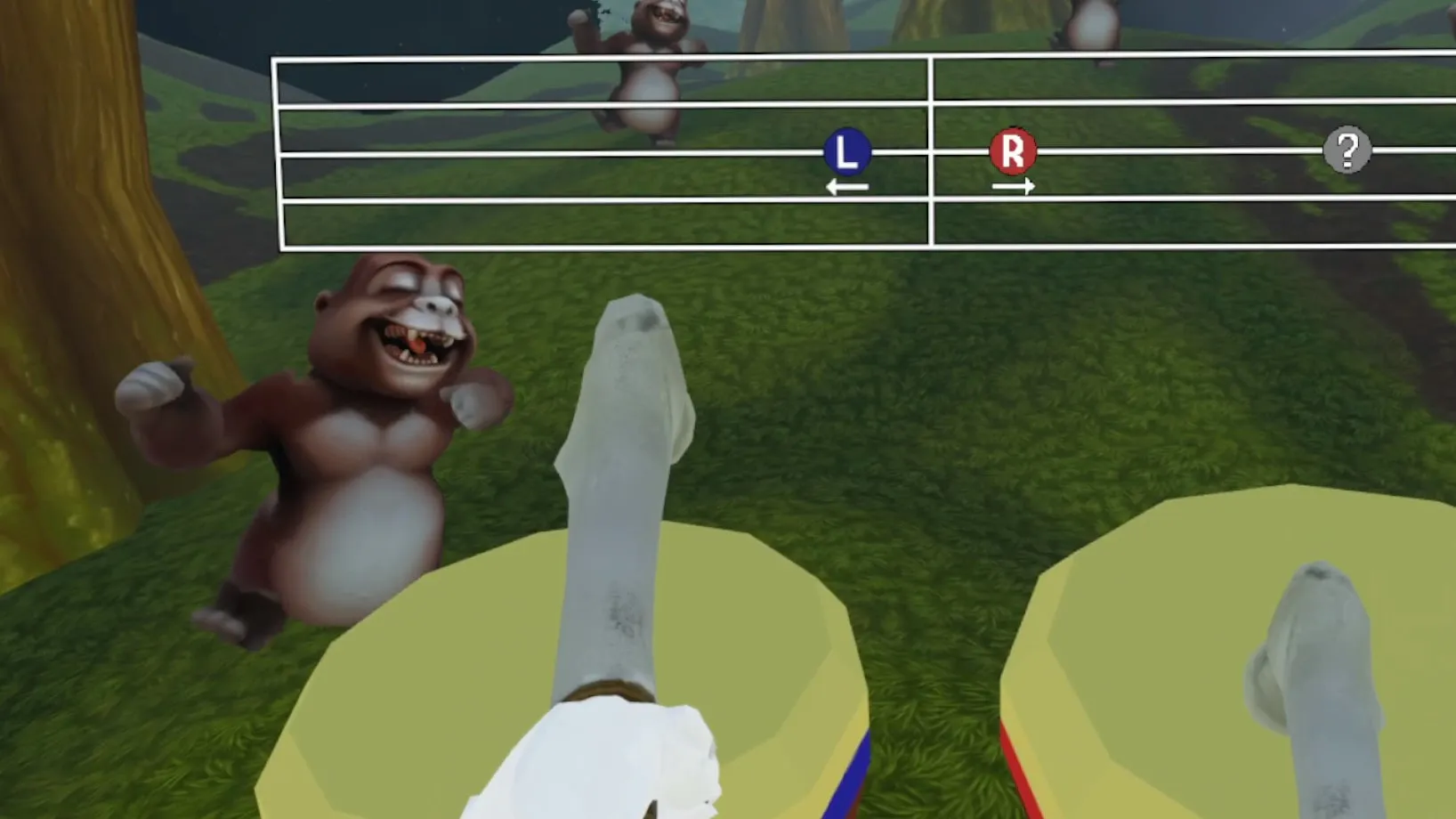
VR hearing assessment for auditory processing disorder; pilot study with about 30 subjects in 2023.
Services
We design and build serious games that assess, treat, teach, and train, working with clinicians and researchers on healthcare and education projects. Our own HELIX was made with Nemours Children's Hospital. We have worked on dozens of training games and playable ads for Relevate Health Games, and on seven health and education projects for Barron Associates.
A serious game is made mainly to assess, treat, teach, or train, rather than only to entertain.
HELIX turns hearing tests into VR games and reports the results to providers.
Lanebreak, Peloton's gaming-inspired workout for the Peloton Bike.
Discover TD for tardive dyskinesia, Expression Lab for facial anatomy, and CORE Concepts in Telehealth for telemedicine.
Level One teaches type 1 diabetes care: insulin, carbs, and highs and lows, in short levels.
Short interactive ads that people play instead of watch, in any field.
Lab Rat for Legends of Learning, and NeuroSPARKS and EMPATHIE for middle school.
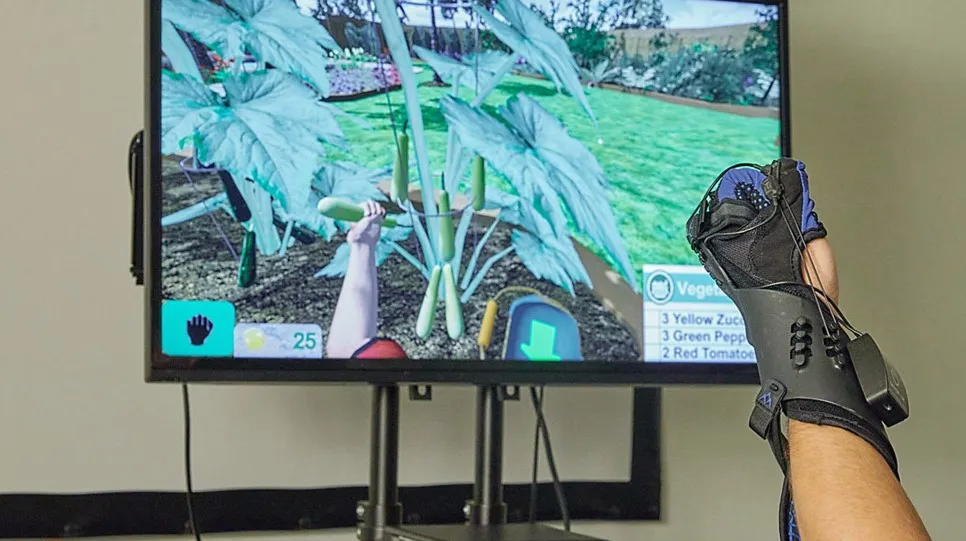
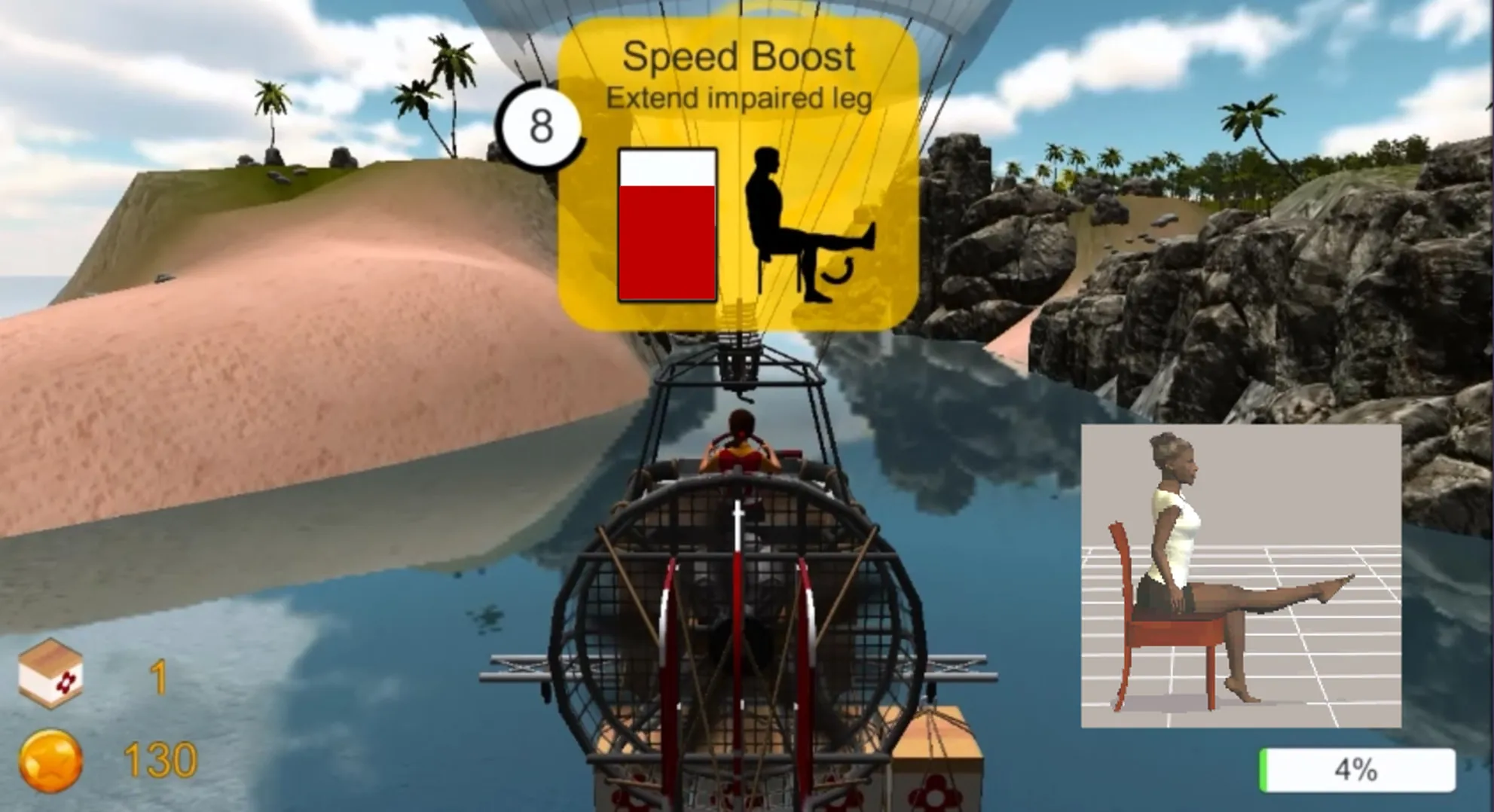
Exercise games driven by Kinect tracking, EMG sensors, and a sensor glove, like SaeboVR, KneeBRIGHT, and GRASP.
Home exercise with remote monitoring, like MOVE-IT's therapy software and smart toy.
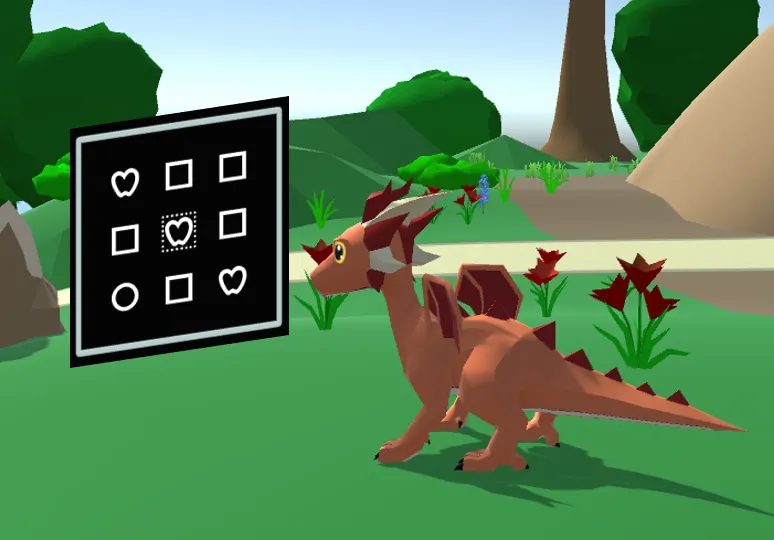
iCare tracks red-cyan glasses with a webcam to keep a steady visual challenge.
In mTrigger Flex Sledding, patients flex their muscles to steer a sled.
Results, assignments, and progress over time for providers, as in HELIX.
Data collection that lets organizations gather results for research.
The problem. Auditory processing disorder affects how a person understands and interprets sound, even with normal hearing, and traditional hearing tests can be too boring and repetitive to assess it accurately.
What we built. HELIX (Hearing EvaLuation using Immersive eXtended reality) turns digits-in-noise, pure tone, and sound localization tests into VR games on Meta Quest 2, with calibrated audio and real-time feedback. Results are encrypted, stored on HIPAA-compliant AWS services, and followed by providers in a web dashboard. Built with audiologists and Nemours Children's Hospital, it started with DBI CAT grant funding, held successful youth group testing sessions, and completed a pilot study with about 30 subjects in 2023.
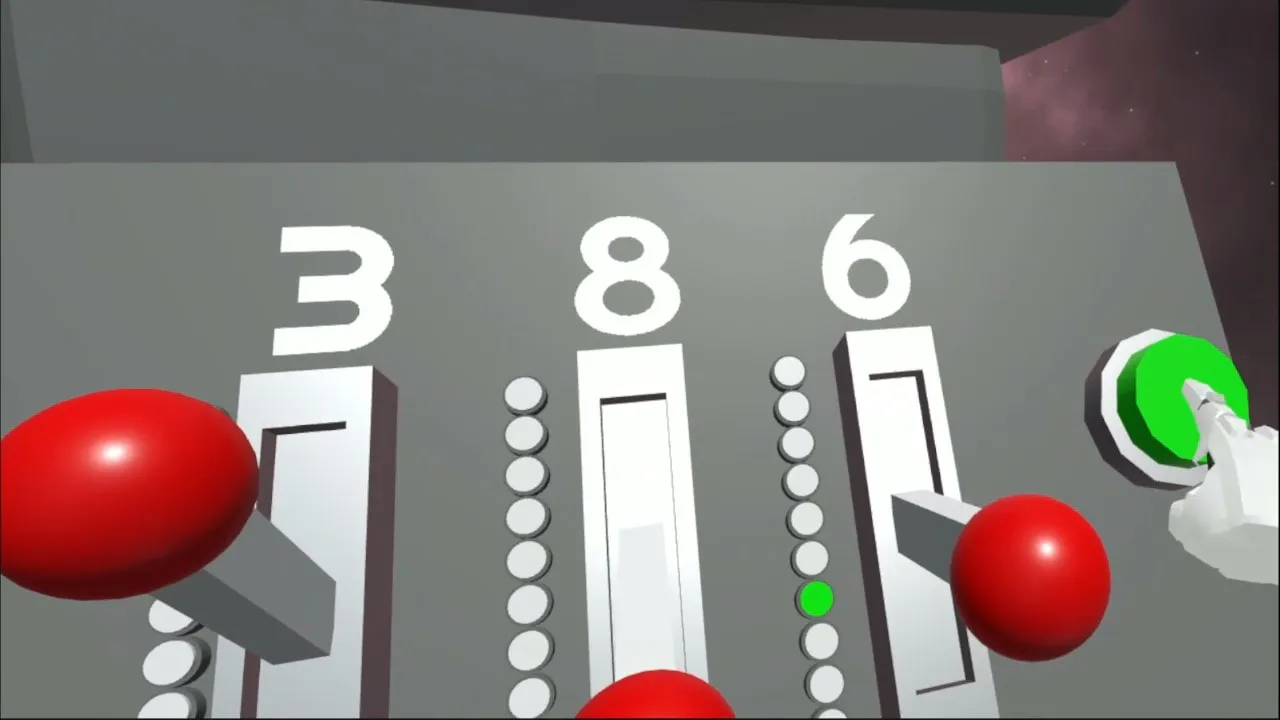
We have worked on dozens of training and education projects for Relevate Health Games, for patients and healthcare providers (HCPs). They include Discover TD, Level One, and Expression Lab, and the CORE Concepts in Telehealth Interactive Game (opens in a new tab) for the American Heart Association, where learners practice telemedicine on five simulated patients.
Playable ads. Some of those projects are playable ads: short interactive ads that people play instead of watch. The ones we worked on teach patients and healthcare providers how a condition works and how a treatment helps. We bring that experience to playable ads in any field.
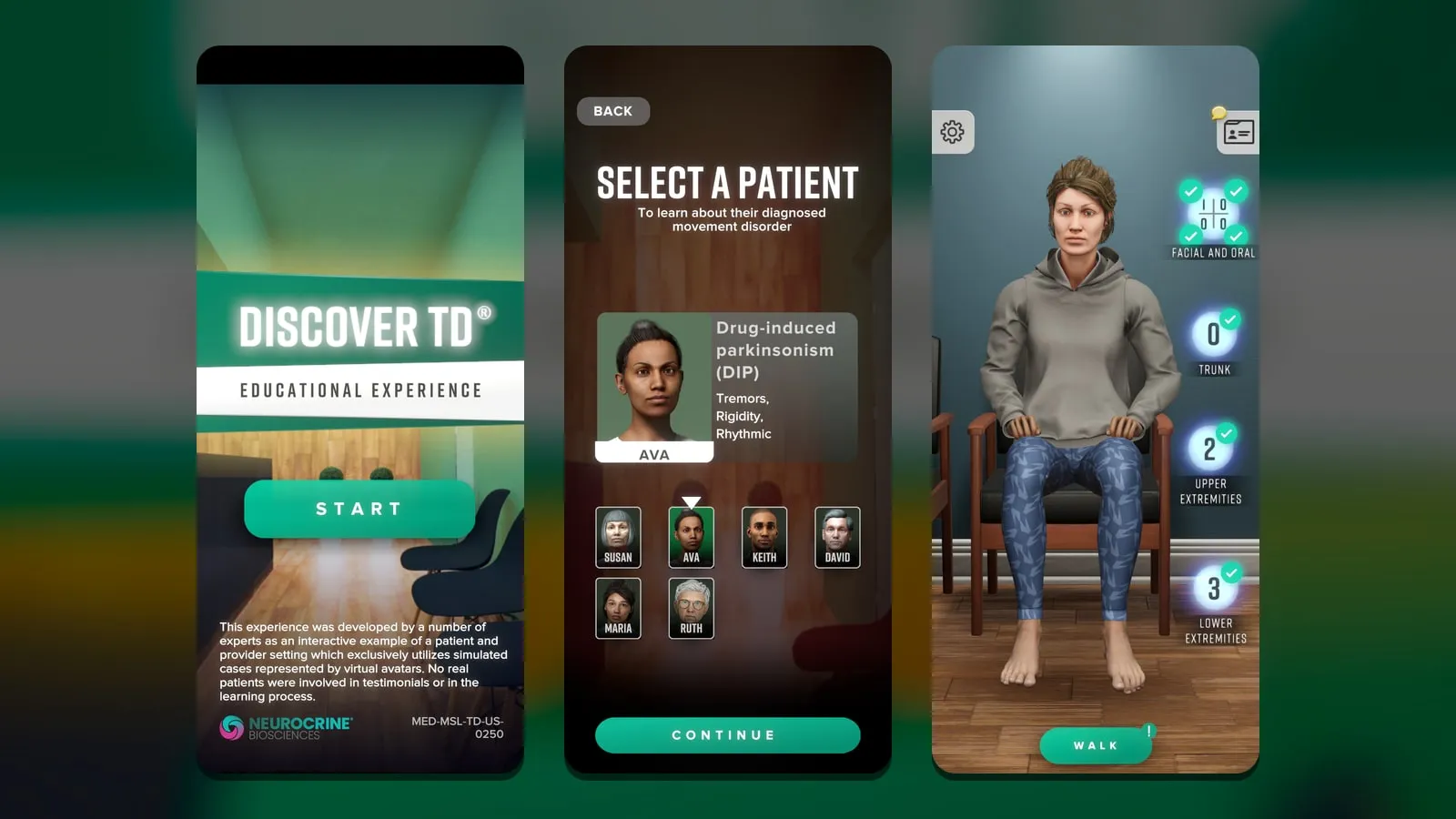
We have worked on seven health and education projects for Barron Associates (opens in a new tab): SaeboVR, GRASP, KneeBRIGHT, MOVE-IT, iCare, NeuroSPARKS, and EMPATHIE. Several were funded by NIH grants: KneeBRIGHT was supported by NIH NIAMS, MOVE-IT was funded by an NIH Phase II SBIR grant, GRASP by an NIH Fast-Track SBIR grant, and NeuroSPARKS was NIH-funded and won a 2022 Tech & Learning Award of Excellence. The projects we worked on for Barron Associates helped launch FDA-approved treatments. We also worked on Flex Sledding for the mTrigger wireless EMG system and on educational games for Legends of Learning.
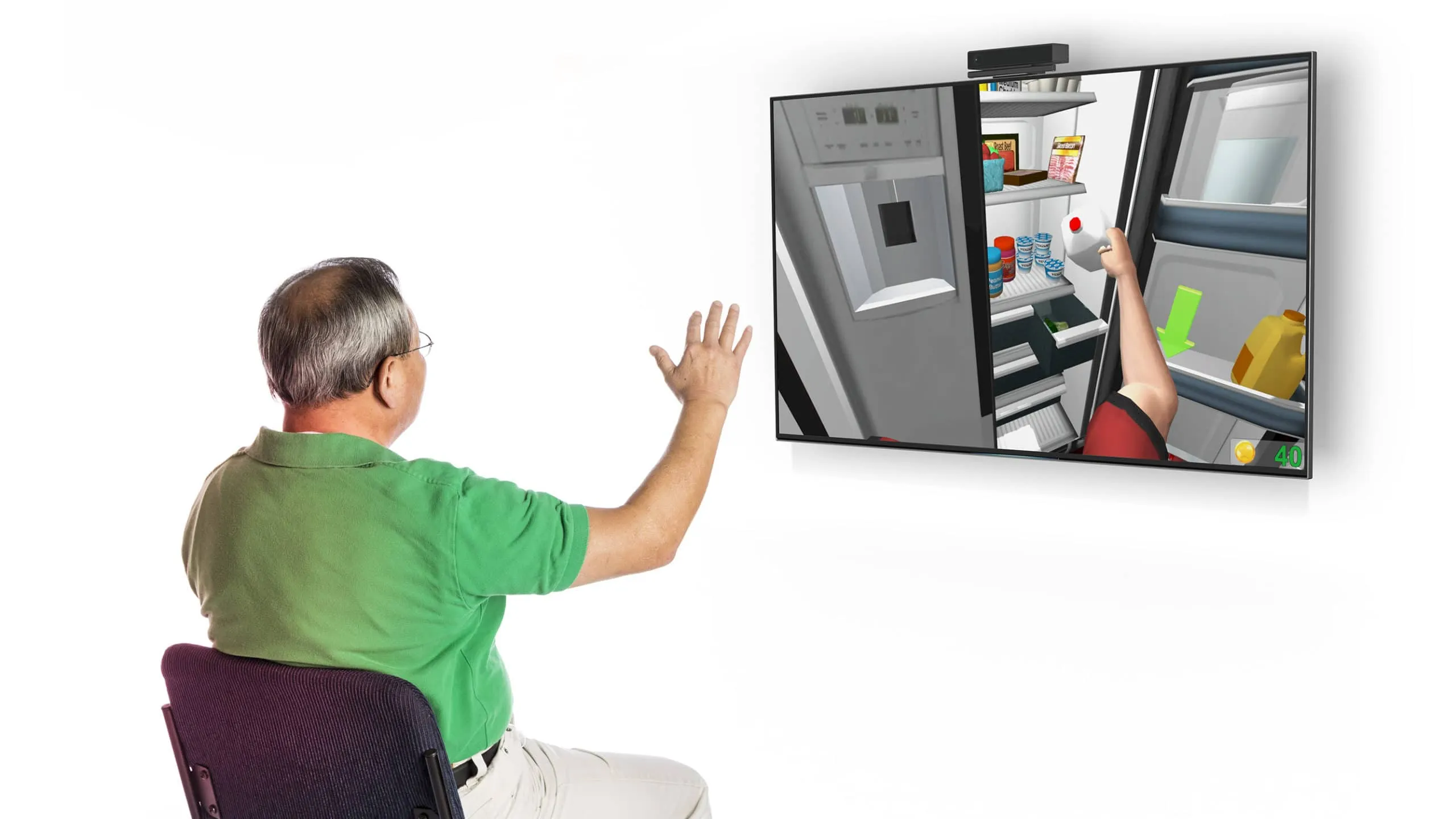
Serious games are built with experts, not just for them. HELIX was designed with audiologists and Nemours, and its dashboard gives organizations, researchers, providers, and patients each their own view of the data. We have also delivered real-time systems that integrate motion capture and electromyography, helped clinicians track patient progress remotely, and given kids with physical limitations a new way to engage with therapy. See the health and VR projects we have worked on, or our VR and AR app development service for the headset side.
Anatomy of Play
Health and fitness games we have worked on, laid out by the part of the body each one works with.

Our project · with Nemours
VR hearing assessment for auditory processing disorder; pilot study with about 30 subjects in 2023.
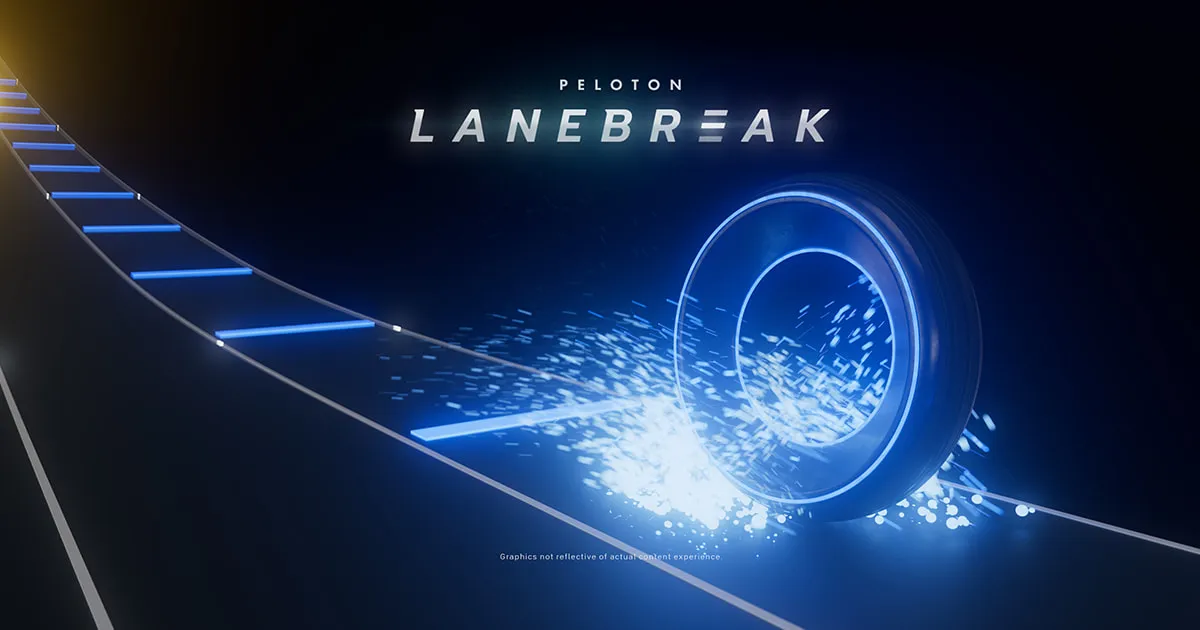
For Peloton
A gaming-inspired workout on the Peloton Bike and Bike+, released to All-Access Members in 2022.
For Relevate Health Games
Case-based training that teaches clinicians to tell tardive dyskinesia from other movement disorders.
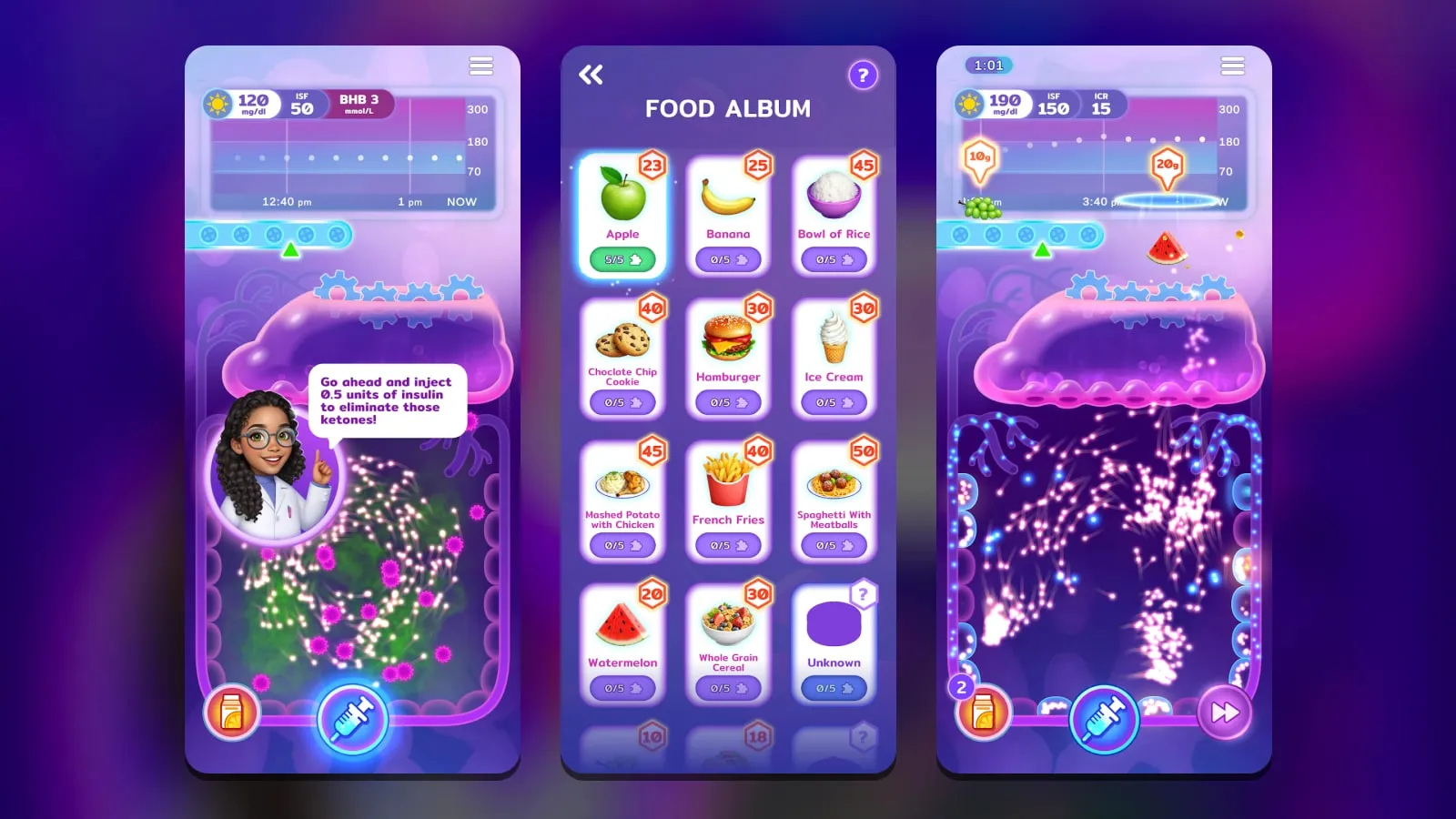
For Relevate Health Games
A free mobile game that teaches type 1 diabetes management in short, interactive levels.
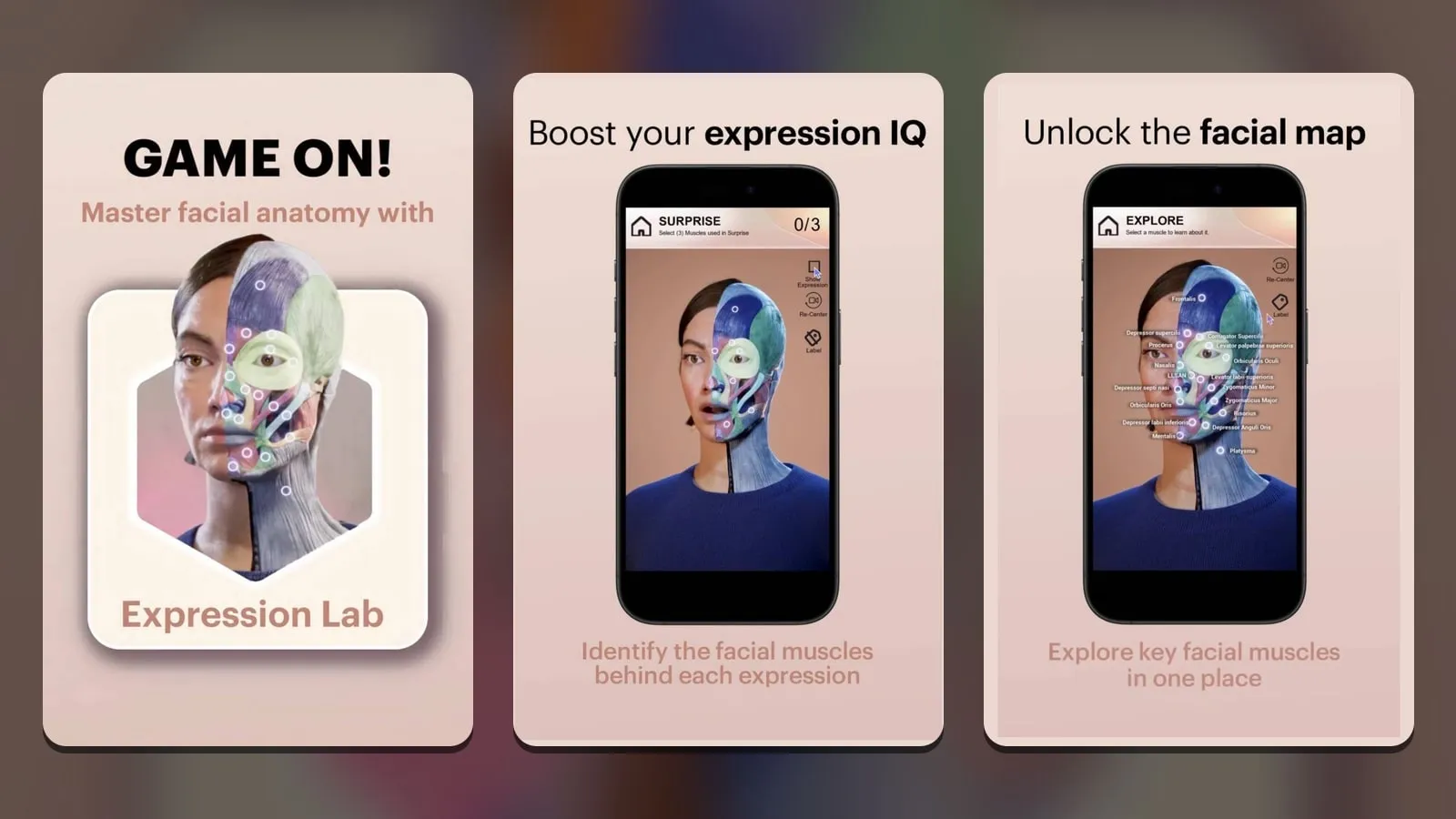
For Relevate Health Games
Anatomy training that links each facial expression to the muscles behind it.
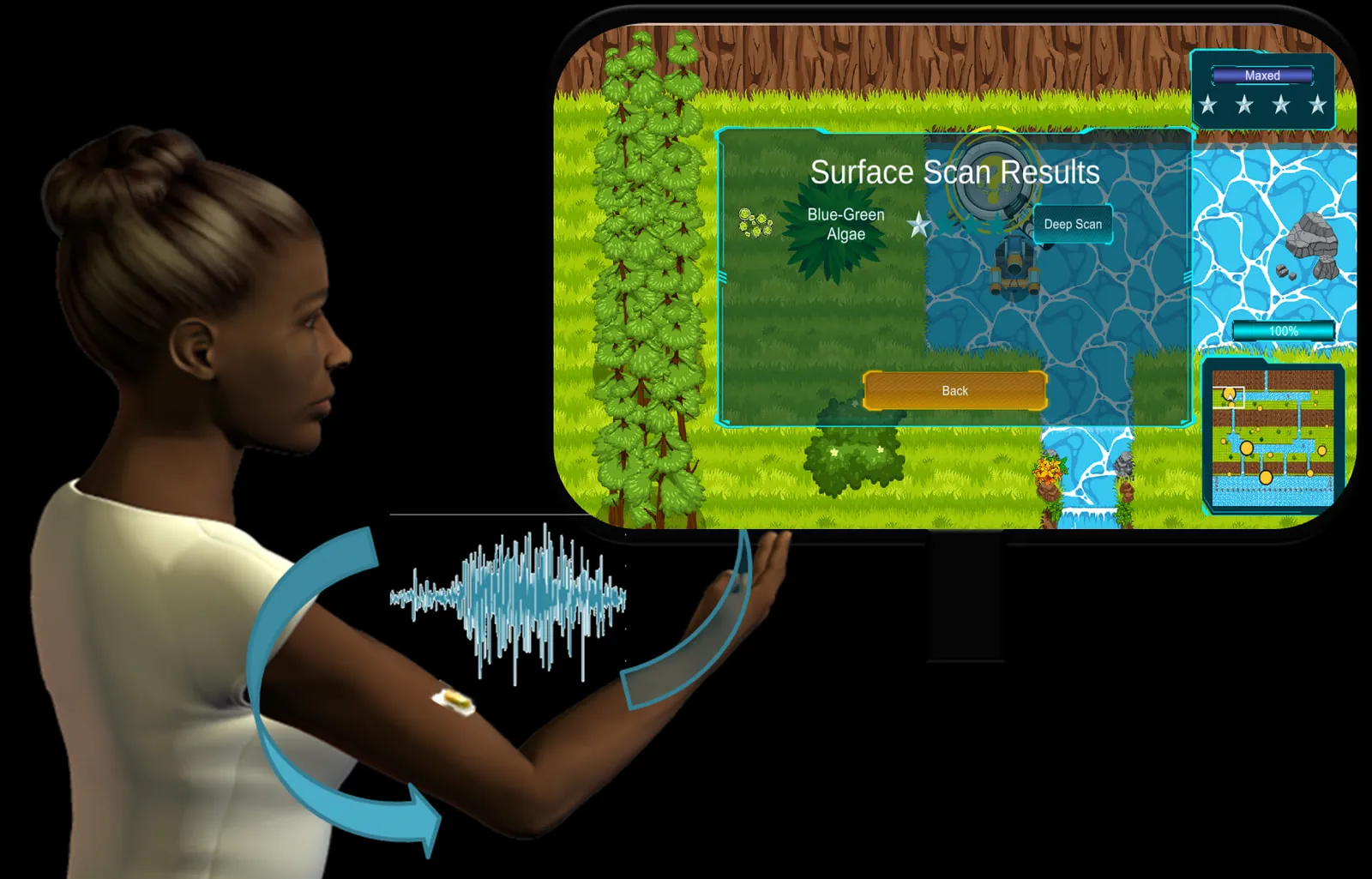
For Barron Associates
Middle school science games controlled by arm-muscle sensors; a 2022 Tech & Learning Award of Excellence.
For Barron Associates
Stroke rehabilitation with a sensor glove: patients practice grip by cooking, gardening, and shopping in the game.
For Barron Associates
Game-based home therapy for knee osteoarthritis with EMG biofeedback, supported by NIH NIAMS.
For Barron Associates
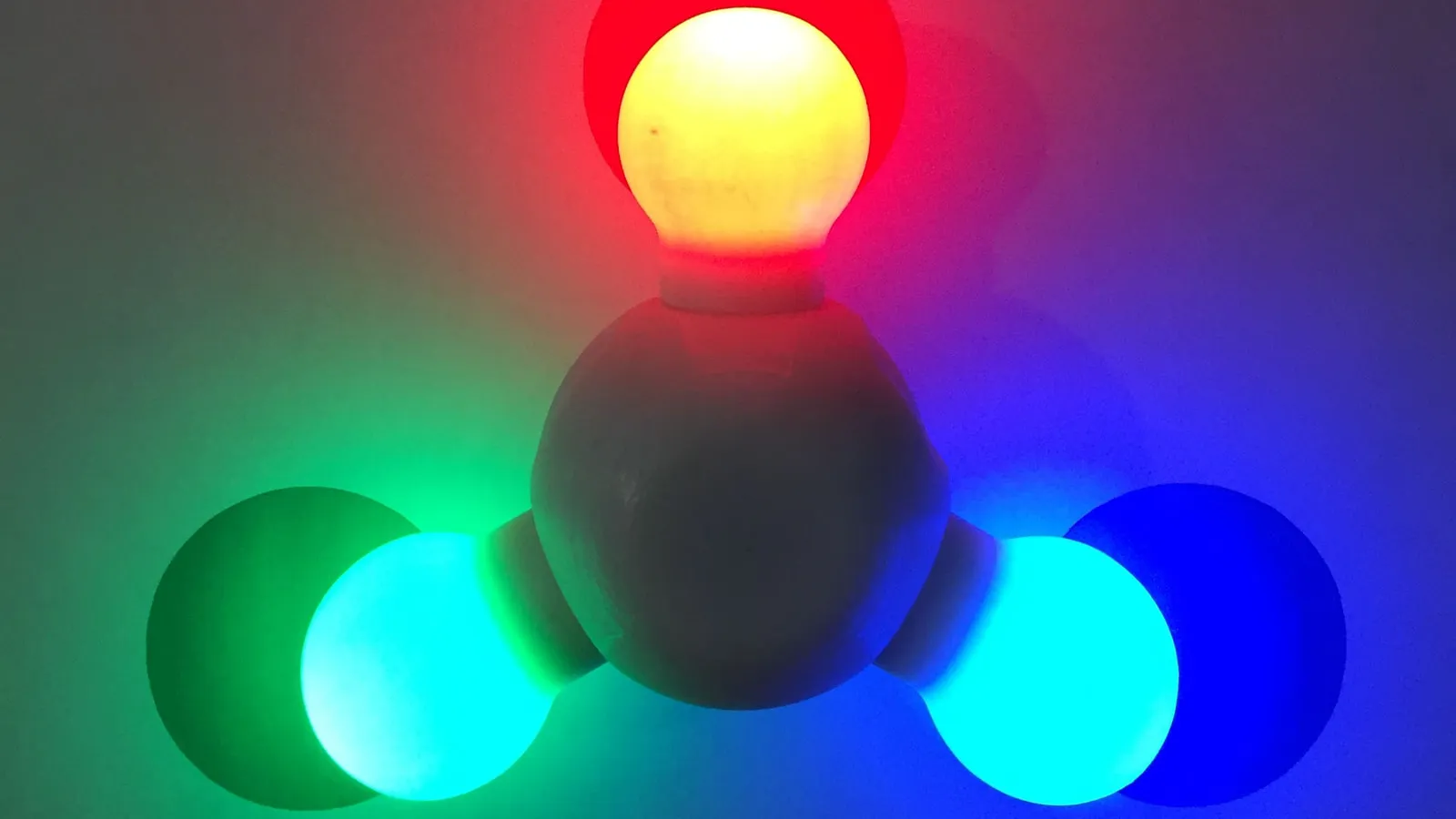
Telehealth therapy games and a smart toy for children with hemiplegia, funded by an NIH Phase II SBIR grant.
For Barron Associates
Vision therapy games for children, played with anaglyph glasses and a webcam.
For Barron Associates
Upper-extremity rehabilitation for stroke survivors, tracked with Kinect, with real-time feedback.
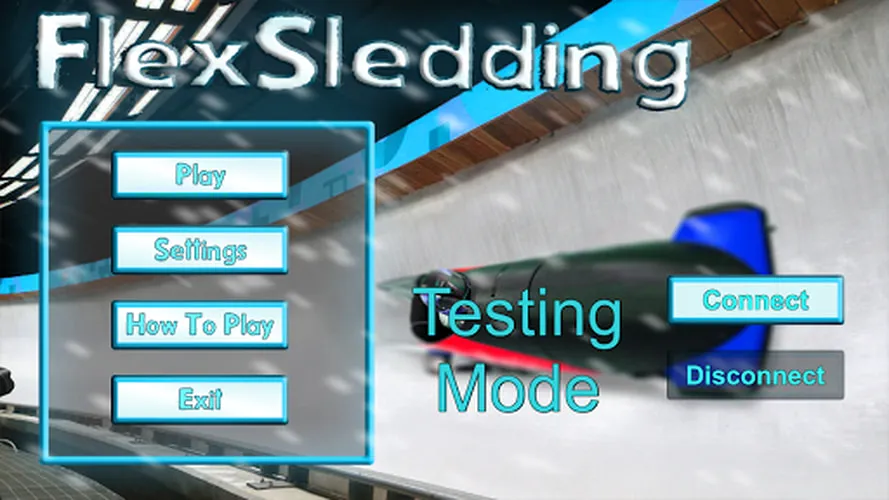
For mTrigger
A biofeedback therapy game for the mTrigger wireless EMG system, on Google Play and the App Store.
For the American Heart Association
An interactive game for the AHA Center for Telehealth: learners practice telemedicine on five simulated patients.
For Legends of Learning
Classroom science and math games hosted by Ratilda, the rat scientist.
For Barron Associates
A game about life with a motor disability, played with an EMG sensor; its pilot with 48 students showed significant learning gains.
See every health, education, and training project
Peloton’s new gamified indoor cycling experience, Lanebreak, might be even more addicting than its workout classes. Spoiler alert: It’s a lot of fun.
Perhaps the best part of Lanebreak is that it got me back cycling after several months of not doing so. It really made me fall in love with cycling all over again.
For the first time, I can wrap my head around where immersive fitness might fit into the real world — and I like what I see.
The same steps, with your clinicians, teachers, or researchers in the room for each one.
Email or use the contact form: what you want to build, who it is for, the platforms, your timeline, and a budget range if you have one.
We agree on who the game is for, what it should measure or change, and who on your side knows the field.
The part most likely to change the plan gets built first, so you see it working before the rest is committed.
Regular builds your experts try with real users, and changes made while they are still cheap.
Release, store submission where it applies, then fixes and updates after launch.
For anything else, email support@lunawolfstudios.com or use the contact form.
Serious games
Tell us who the game is for, what it should measure or change, and who on your side knows the field.