
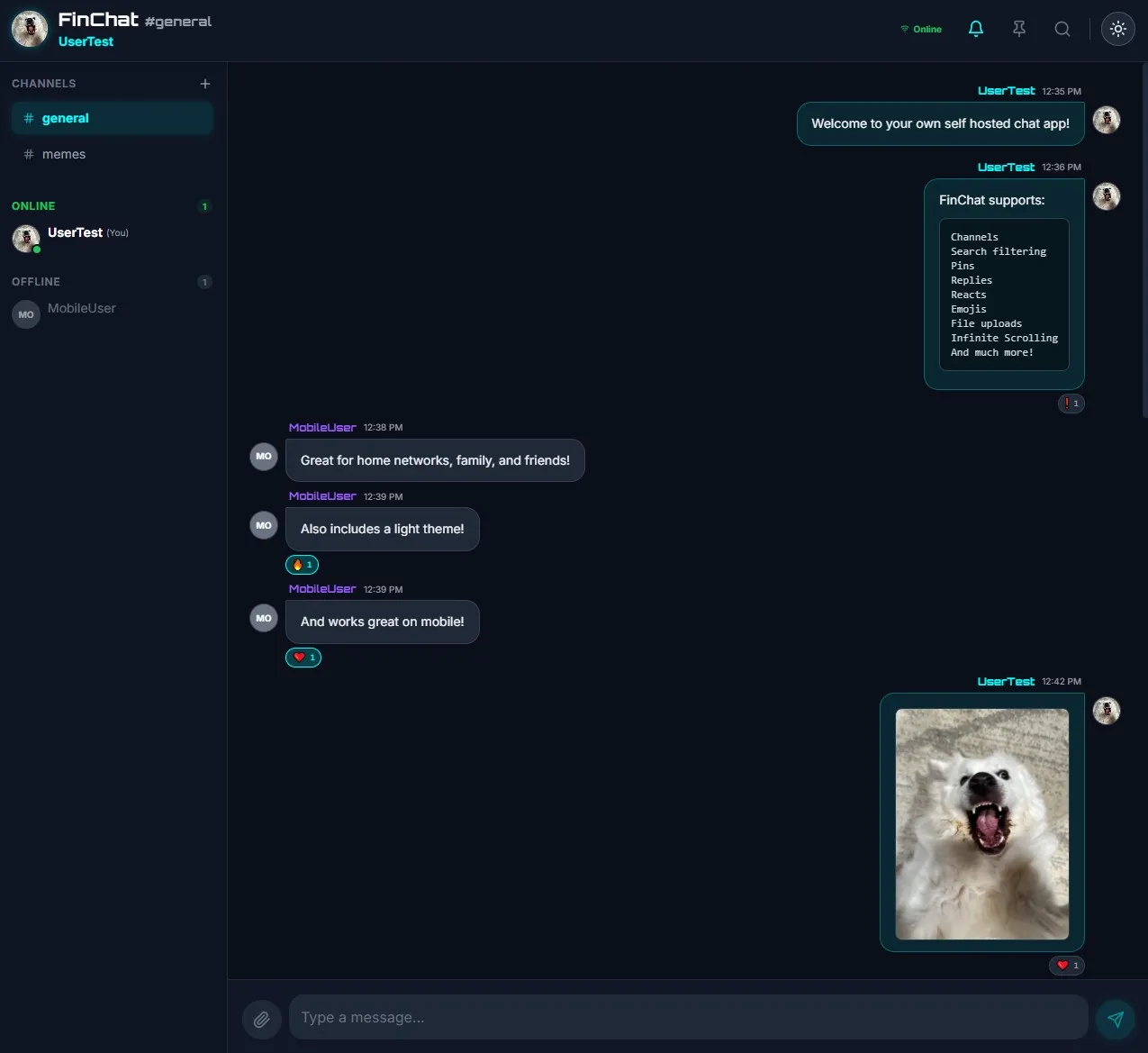
Our open-source app
FinChat
A self-hosted chat app with channels, search filters, and light and dark themes, built in TypeScript on Node.js.
Services
We build web apps, APIs, and dashboards in Node.js, TypeScript, and NestJS, with the cloud backends behind them, and move legacy systems onto modern platforms. Our work includes the HELIX provider dashboard and the open-source FinChat.
Software built to hold up under real use: web apps, APIs, dashboards, and the cloud systems under them.
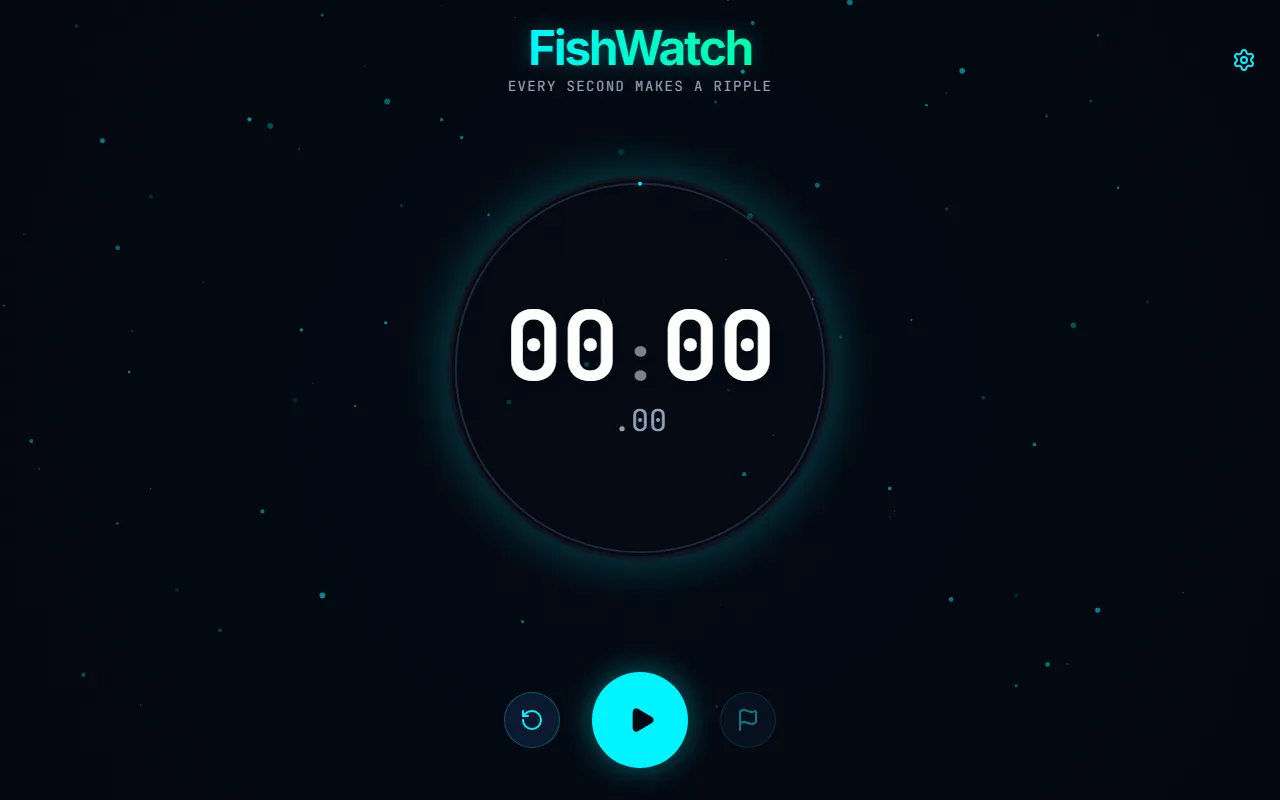
Browser apps like Reel Gains, Fresh Catch, and FishWatch on tools.lunawolfstudios.com.
High-availability APIs and services built for production scale.
Pipelines and services that process millions of records reliably under sustained load.
Legacy rewrites, on-prem to cloud migrations, and platform version upgrades.
Infrastructure as code, SQL databases, and AWS services such as RDS, S3, and EC2.
Accounts, assignments, calendars, and charts, like the HELIX web dashboard.
Unity apps streamed to low-bandwidth clients with AWS and WebRTC.
Containerized infrastructure and pipelines that automate builds and service deployments.
FinChat, an open-source chat app in TypeScript on Node.js, under the MIT license.
We have close to a decade of experience building enterprise backend systems in Node.js, TypeScript, and NestJS, on cloud infrastructure, infrastructure as code, and SQL databases, across finance, logistics, sports media, utilities, and education, on small focused teams and on initiatives spanning dozens of engineers. We have also worked in Go and Python, and built native iOS apps in Swift.
Much of that work has been modernization: lifting legacy systems off aging on-prem infrastructure, rewriting brittle codebases, and upgrading platforms. We have worked on systems processing millions of records daily, where an outage reaches other systems and the people who rely on them. That shaped how we build software: for the load people actually put on it, including uses it was not designed for.
Games and devices produce data someone needs to see. The HELIX web dashboard gives organizations, providers, and patients their own accounts, lets providers assign hearing tests and schedule appointments, hosts events like webinars, and charts results over time, on a data system built on HIPAA-compliant AWS services. For the Unity side of a project, see Unity development; for headset apps that feed a dashboard, see VR and AR app development.
Our open-source app
A self-hosted chat app with channels, search filters, and light and dark themes, built in TypeScript on Node.js.
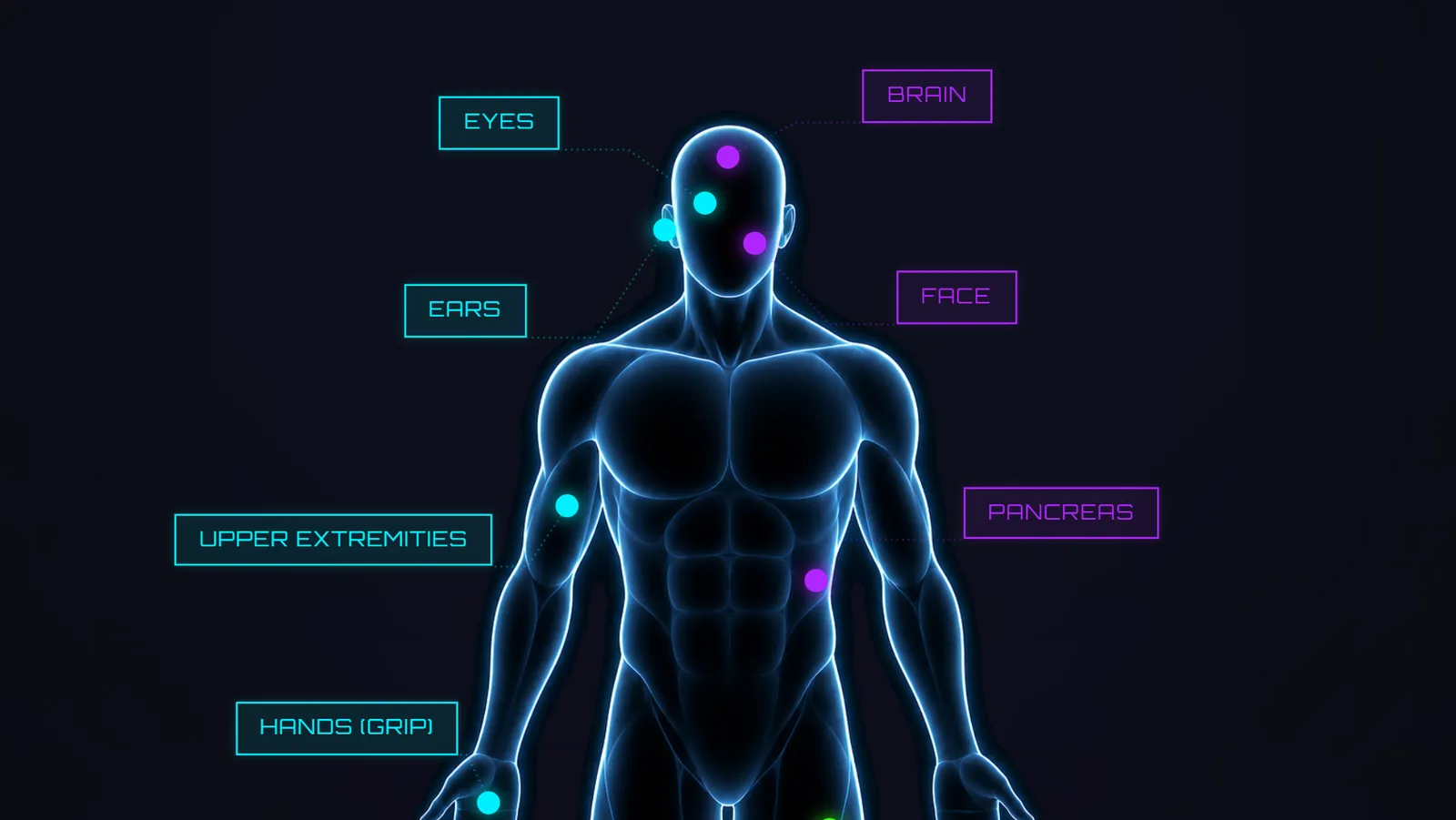
Our web app
An interactive exhibition of serious games for health and fitness, organized by body region.
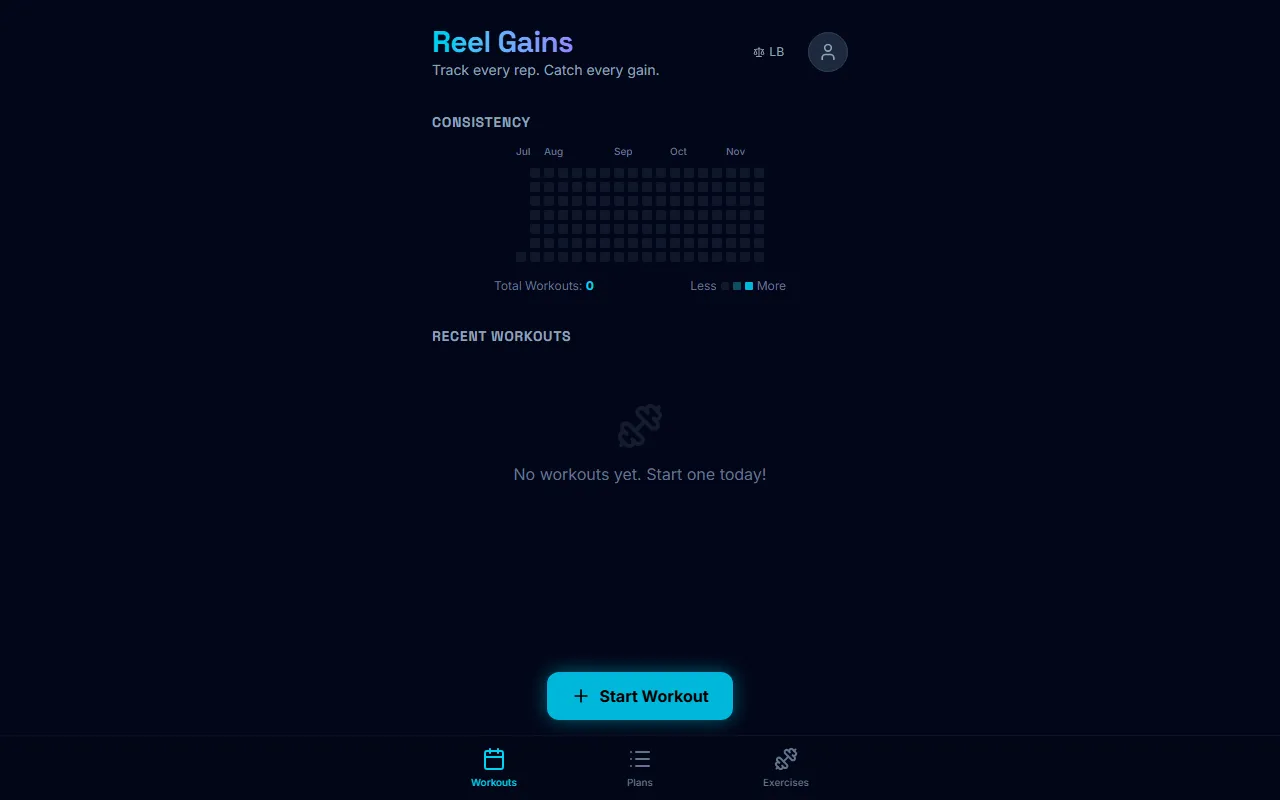
Our web app
A workout tracker with plans, an exercise library, and a calendar of past sessions.
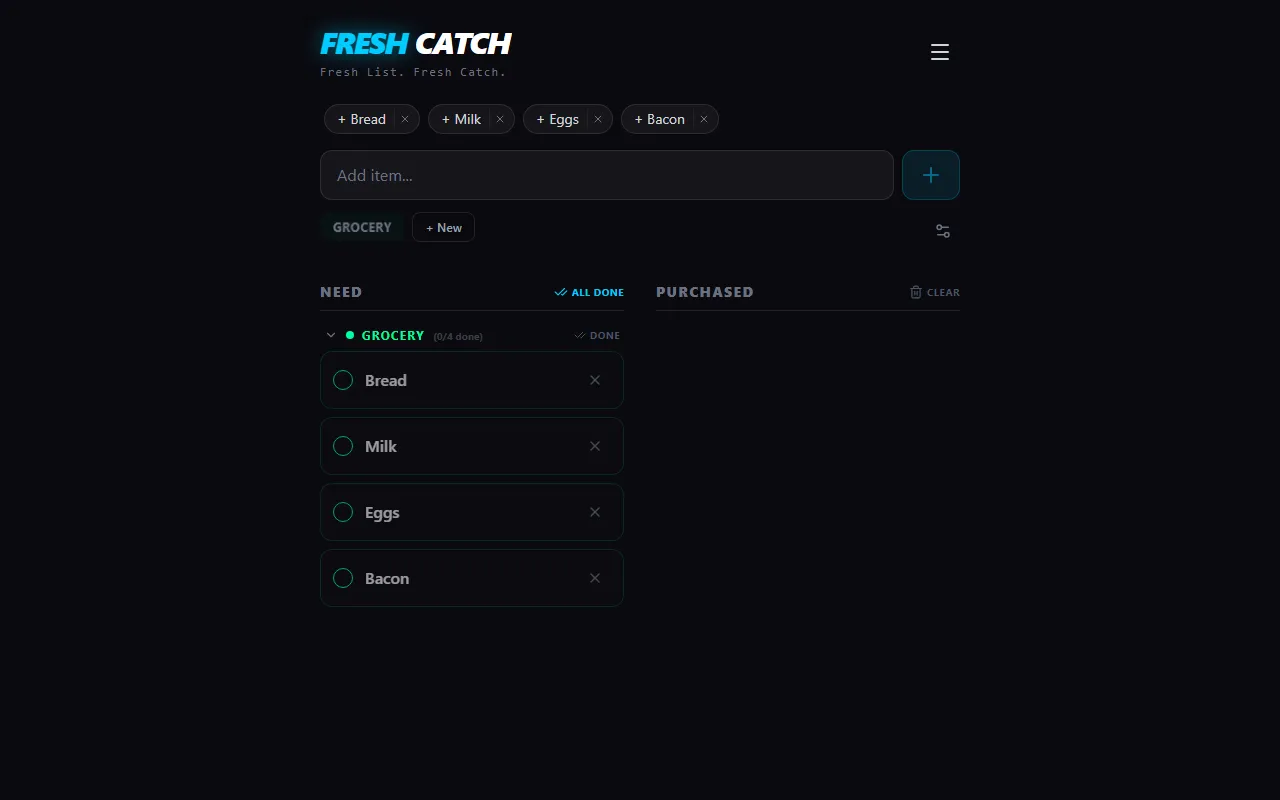
Our web app
A shopping list: add items to lists, check them off as you buy them, and clear the done items.
Our project
A provider web dashboard and a data system on HIPAA-compliant AWS services (RDS, S3, EC2) behind a VR app.
Our experience
Low-latency platforms built with Unity, AWS, and WebRTC that stream fully interactive 3D simulations over low-bandwidth networks.
Our experience
High-availability APIs, platform modernization, and data systems processing millions of records daily.
New software or a move off an old system: the same five steps.
Email or use the contact form: what the software needs to do, who uses it, what it connects to, and any old system it replaces.
We talk it through, ask the hard questions early, and agree on what the first milestone delivers.
For a migration, the riskiest piece of the move is built first; for new software, the part most likely to change the plan.
Regular builds you can play or use, with check-ins along the way and changes made while they are still cheap.
Release, with the old system kept running during the move where it has to, then fixes and updates.
For anything else, email support@lunawolfstudios.com or use the contact form.
Software development
What the software needs to do, who uses it, and what it has to connect to. If there is an old system, tell us about that too.